Wednesday September 30, 2026 14:30 - 15:15 CEST
Speakers JL
Business Development & Application Manager, COCOON
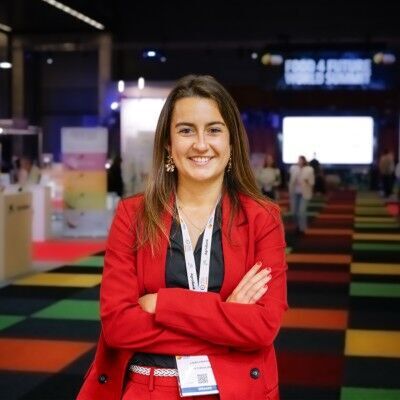
Business Developer, Levprot Bioscience
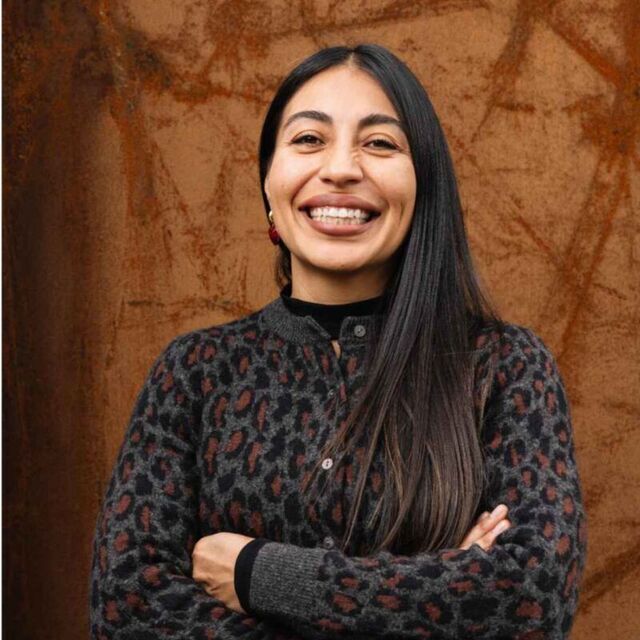
Researcher in culinary biotechnology, Basque Culinary Center/GOe Tech Center
I am a highly accomplished and strategic-minded professional with a Ph.D and a scientific approach to in managing research, development, and innovation projects, with extensive experience in leading multidisciplinary teams and optimizing resources. My scientific and strategic approach...
Read More →
Head of Microbiology and Industrial Biotechnology, AINIA
Chemical Engineer (Polytechnic University of Valencia, 2006) and Master in Agri-food Biotechnology (University of Valencia, 2019).She is currently the Head of Microbiology and Industrial Biotechnology at AINIA. She has over ten years of experience in scaling up biotechnological processes...
Read More →



